
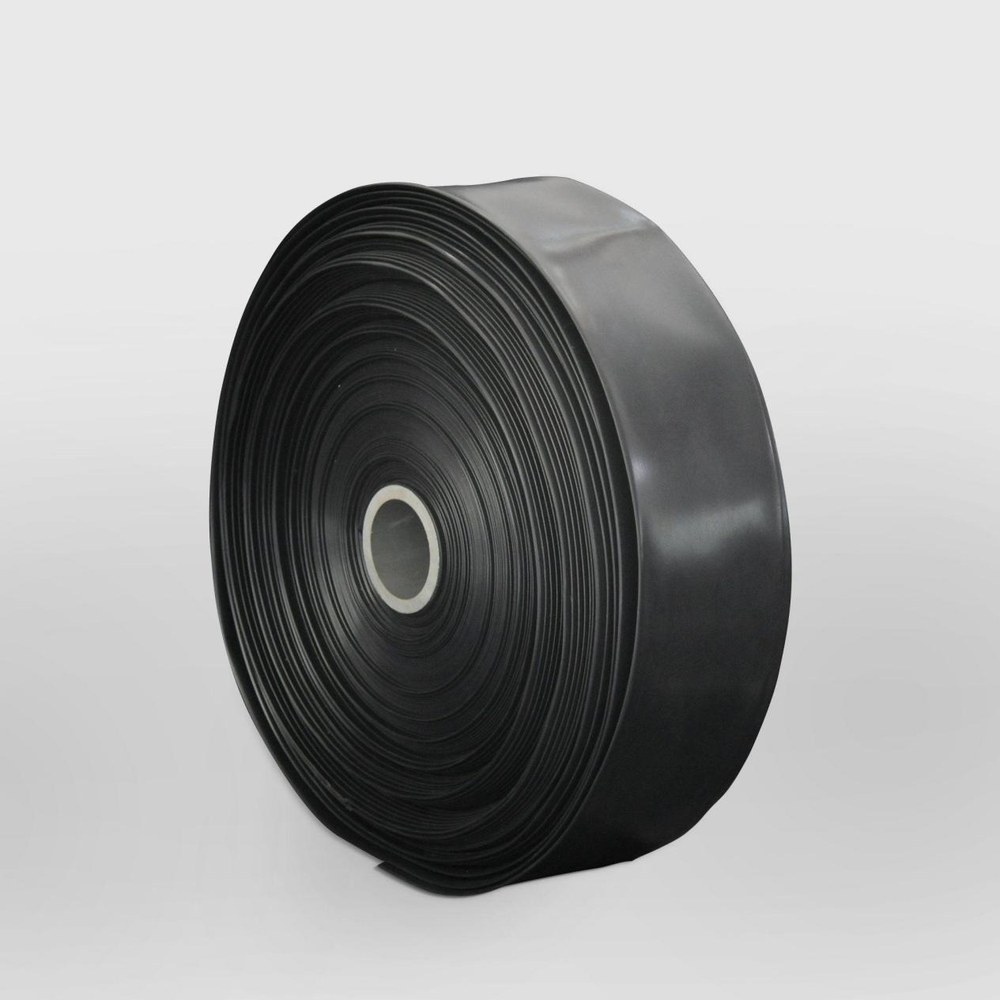
A reliable drip tape purchase order should identify the exact tape construction, field layout and acceptance method, rather than naming only a diameter or roll length. State the size, wall thickness, emitter spacing, flow rate, working pressure, material, roll length and packing details, then require evidence for the exact production lot before shipment and inspect representative rolls when they arrive.
Define the Drip Tape Model and Field Fit
Start with the crop, row length, planting pattern, water source and intended number of seasons. Thin-wall tape may suit seasonal row crops where installation and removal are planned, while a thicker construction may be more appropriate when the handling method or field conditions create greater risk of damage. The correct choice depends on the complete irrigation layout and operating practice, not wall thickness alone.
The available drip tape options include 16 mm and 20 mm sizes, wall thicknesses from 0.15 mm to 0.6 mm, emitter spacing from 10 cm to 30 cm, emitter flow rates from 1.0 L/h to 2.8 L/h, working pressure from 0.4 bar to 1.2 bar and roll lengths from 500 m to 2,000 m. Treat these as selectable product specifications. The supplier should confirm which combination is being offered and whether all requested values apply to one model and production lot.
Check that the tape matches the field design. Emitter spacing affects the number of emitters per row, while flow per emitter affects lateral demand. Pressure at the tape inlet and along the row must remain within the agreed operating range. For zone calculations and layout decisions, see Drip Irrigation Design: Flow Rate, Spacing and Zone Sizing.
For a purchase order, identify the model using a complete description such as:
- Nominal size: 16 mm or 20 mm
- Wall thickness: specified in mm, with an agreed tolerance
- Emitter spacing: specified in cm
- Emitter flow: specified in L/h at a stated test pressure
- Working pressure: stated operating range
- Roll length: specified in metres per roll
- Material: PE formulation and any agreed UV-stabilizer requirement
- Application: crop, row length, installation method and intended service pattern
Do not accept “standard drip tape” as the technical description. Link the approved drawing, sample or technical data sheet to the purchase order if one exists.
Specifications to State in the Purchase Order
The order should separate product identity, measurable requirements and acceptance evidence. This prevents a supplier from meeting one headline value while changing another feature that affects field installation.
| Purchase-order requirement | What to state | Incoming or pre-shipment check |
|---|---|---|
| Size and construction | 16 or 20 mm; flat width or dimensional basis; tape type | Measure the sample and compare with the approved specification |
| Wall thickness | Target value in mm and tolerance; identify where measurements are taken | Measure multiple positions around the roll and record variation |
| Emitter spacing | Exact spacing in cm and measurement reference point | Measure consecutive emitters over several intervals |
| Emitter flow | L/h at a named pressure, temperature and test method | Test sampled emitters under the same stated conditions |
| Working pressure | Minimum, maximum or operating range in bar | Compare the test setup and supplier evidence with the agreed range |
| Material | PE grade or formulation requirement, including UV stabilizer if required | Request material documentation and retain a sample for identification testing if needed |
| Roll length | Nominal metres per roll and measurement method | Measure or verify the length of sampled rolls using an agreed method |
| Packing and labels | Roll protection, pallet or carton arrangement, label fields and lot number | Inspect packing, count rolls and match labels to shipping documents |
The flow-rate requirement is incomplete unless the test pressure and other conditions are stated. Ask the supplier to report whether the result is an average, a range or individual readings, and identify the number of emitters tested. A flow result from a different pressure cannot be treated as evidence for the purchase-order requirement.
Likewise, a short wall-thickness reading does not establish uniformity throughout a roll. Specify the measurement locations, number of samples, instrument resolution and method for handling results outside tolerance. The final acceptance rule should be agreed before production.
If the project also needs mainline or header pipe, keep that requirement separate from the tape order. The PE Irrigation Pipes range covers larger distribution pipe specifications, while drip tape is the field lateral with a different construction and operating purpose.
How to Inspect Samples and Delivered Rolls
Approve a physical sample before bulk production when the tape is new to your operation or the field layout is sensitive to spacing and flow. Mark the sample with the proposed model and keep it as a reference for receiving inspection.
Use a documented inspection sequence:
- Confirm the roll label, model, nominal size, wall thickness, emitter spacing, flow specification, lot number and stated length.
- Examine the tape surface for cuts, splits, blocked emitters, distorted seams, inconsistent perforation or damage from winding and handling.
- Measure wall thickness at defined positions. Include the beginning, middle and end of sampled rolls when practical, and record both location and result.
- Measure emitter spacing across consecutive intervals rather than checking only one pair. Record the measurement reference, such as centre-to-centre distance.
- Run a flow test using water quality, pressure, temperature, sample length and stabilization time defined in the inspection plan.
- Check that the tested tape is the same model and lot as the delivered rolls. A report for another construction or production batch is not evidence for the current shipment.
- Record nonconforming results with photographs, roll numbers, test conditions and the agreed disposition process.
The supplier’s catalogue specification is a starting point, not proof that every delivered roll meets the requirement. Request a lot-specific inspection report, production date or lot identification, raw-material declaration and test method. If a material claim is important to service life, ask how the exact formulation and UV-stabilizer addition are controlled; do not infer material identity from colour or appearance alone.
For comparison, the Drip Irrigation Tape offer lists virgin PE with UV stabilizer, but the buyer should still request confirmation for the proposed model and production lot.
Roll Length, Packing and Identification Checks
Roll length affects field planning, installation labour and the number of joints. Define whether the stated length is a target, a minimum or a nominal value, and agree how it will be measured. A roll that appears full can contain a different usable length if winding tension, compression or an empty core changes.
At receiving, check a sample of rolls from different pallets or production lots. Confirm the roll count, label information, outer protection, core condition and visible winding quality. Labels should connect each roll to the purchase order and shipping documents through a model code or lot number.
The packing instruction should state the included units and protection, such as individual wrapping, cartons, pallets, edge protection and moisture or sunlight controls where required by the agreed handling plan. Do not assume that export packing prevents damage unless the packing arrangement has been specified and checked.
Inspect for crushed rolls, torn wrapping, exposed tape, wet or contaminated packaging and labels that cannot be read. Segregate suspect rolls before installation so that a receiving decision does not become a field failure.
Evidence to Request Before Shipment
Before approving shipment, request a compact document set tied to the exact order:
- Final technical specification identifying size, wall, spacing, flow, pressure and length
- Approved sample or drawing reference
- Lot-specific dimensional and flow inspection results
- Test method, test pressure, temperature and sample quantity
- Material declaration and confirmation of any UV-stabilizer requirement
- Roll count, length basis, packing list and label format
- Photographs of finished rolls, labels and loaded packing where useful
- Written process for handling out-of-tolerance results or damaged rolls
Review the evidence for consistency. For example, the flow test pressure must fit the stated working range, and the label must identify the same model described in the report. Ask the supplier to clarify any mismatch before shipment rather than allowing the receiving team to interpret it later.
If the project uses inline drip tubes instead of flat seasonal tape, compare the requirements separately. Drip Irrigation Tubes have different listed wall, spacing, pressure and roll-length options and should not be substituted by description alone.
FAQ
Should I specify only the nominal diameter?
No. Nominal size does not define the complete product. State wall thickness, emitter spacing, flow rate, working pressure, roll length, material requirement and the measurement or test basis for each item.
What is the most important flow-rate detail in the order?
State the flow rate together with test pressure and relevant test conditions. Also ask whether the reported result is an average, a range or individual readings, and require the report to identify the tested model and lot.
How many rolls should be inspected on arrival?
Set the sample quantity and selection method in the purchase order before shipment. Select rolls across pallets or lots where possible, and define which findings trigger expanded inspection, segregation or a supplier review. Do not use an unstated sample rule to declare the entire shipment acceptable.
Does a UV-stabilizer statement prove field life?
No. It identifies a material requirement but does not by itself establish service life in a particular climate, installation method or handling cycle. Request formulation or production evidence for the agreed model and evaluate the tape under the project’s actual conditions.
For a quotation and technical review, share the required tape size, wall thickness, emitter spacing, flow rate, pressure basis, roll length, total quantity, destination and crop or irrigation layout. Include any approved sample, incoming inspection method, packing instructions and existing project details when available, then discuss requirements.