
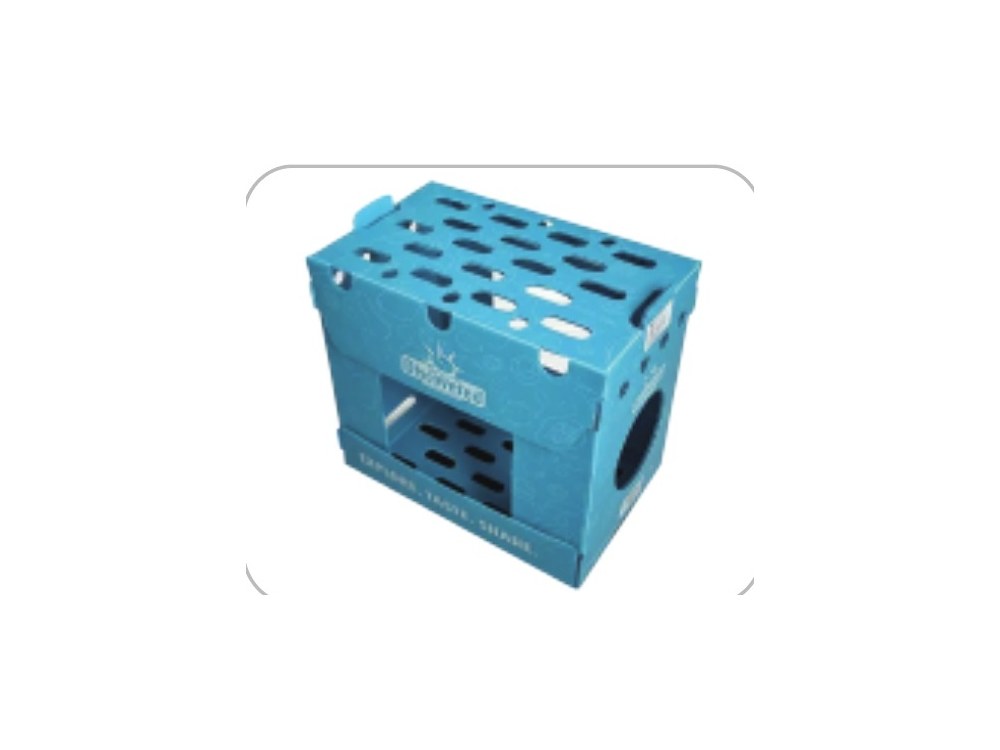
Choose a produce crate for the commodity, handling and cooling system together. The package must protect the produce and support the required airflow, hygiene and stack loads. Evaluate the filled crate and pallet arrangement against the actual route rather than optimizing vent percentage or bench strength alone.
Define harvest and packing temperatures, target product temperature, allowable cooling time and the cooling method with the produce specialist. Product size, arrangement, liners and ventilation affect heat removal. There is no single cooling deadline that qualifies every commodity and process.
Vent area, and where it has to be
For a proposed forced-air system, show the air path through the filled crates and pallet, including liners, adjacent crates, covers and seals. Compare vent size, position and alignment using measured airflow and cooling performance for the commodity. A fixed open-area percentage is not a universal acceptance criterion.
Three details that decide whether the specified vent area actually does anything:
- Alignment through the stack. Check opposing vents and every crate interface in the proposed pallet pattern. Measure the effect of offsets, gaps and obstructions instead of assuming that visible holes guarantee airflow through the load.
- Vent position relative to the load. Trial the actual produce, fill height, liners and covers. A vent can be partly or fully obstructed; verify airflow and cooling at the slowest relevant product locations.
- Hole size and product protection. Check escape, snagging, pressure marks and contact against the smallest or most vulnerable produce and any inner pack. Confirm loading, unloading and inspection access as well as airflow.
Strength at humidity, not strength on the bench
Compare proposed plastic crates and cartons after the same relevant temperature, humidity, wetting and storage conditions. Material moisture response is only one factor: complete-package geometry, duration, supports and damage also affect strength. Do not apply a universal carton strength-loss percentage or assume that a plastic crate loses no performance.
Specify filled mass, stack height and arrangement, storage duration, pallet support and handling. Qualify compression, deformation and stability under the intended conditions, including cleaned or reused units where relevant. Room-temperature bench strength alone does not establish delivered stacking capability.
For cold handling, qualify the actual grade and assembled crate at the specified temperatures. Include drops, joints, hinges and lifting features as applicable. A PP or PE label cannot replace a conditioned test for the filled configuration and route.
Washing and what it does to the crate
Agree a cleaning and, where necessary, sanitation procedure with the food-safety team. Specify soil removal, cleaning agent, concentration, temperature, time, rinsing and drying, and verify both hygiene and retained crate performance. A general 60–80 °C washing range is not a validated cleaning instruction or a PP compatibility guarantee.
Print and labels. Test the chosen ink, label, adhesive and barcode on the actual surface through the agreed cleaning and handling cycles. Set scan and legibility limits and a replacement process. Direct print is not automatically more durable than an applied label.
Drainage and inspectability. Check corners, ledges, handles, hinges and damaged surfaces on a physical sample after the cleaning cycle. Confirm drainage in the specified orientation, drying, access for inspection and retirement criteria. Inverting the crate is not by itself proof of adequate cleaning.
Food contact and recycled content
Identify the destination, produce type, contact conditions and intended reuse. Obtain documentation covering the actual resin, additives, colourants and finished article. Virgin resin does not automatically establish food-contact compliance; recycled-content certification does not establish it either. The FDA recycled-plastics overview describes source, contamination and use-condition considerations for the US.
If recycled content is required, verify the permitted stream, process and complete article for the actual market. A virgin contact layer over a recycled core is not an automatic compliance solution; assess the applicable conditions and evidence. Also check cleanability and sanitation duties separately from chemical food-contact status. FDA's produce-safety FAQs discuss equipment and food-contact-surface controls for covered operations.
When a crate is the wrong format
For vulnerable produce, compare crates, shallow trays, inserts and cartons on product contact, loading depth, movement, cooling and observed damage. For one-way and returnable systems, compare actual collection, inspection, cleaning, missing units and transport costs. Neither a crate nor a carton is always the better technical or economic answer.
Request a produce-crate trial specification. Send the commodity and inner pack, fill mass and arrangement, cooling method and targets, pallet pattern, load and handling conditions, cleaning procedure, destination and reuse plan. Include current damage, cooling and return records so samples and acceptance tests address the actual problem.